FHA vs. Conventional Loan: Which is Right for You in 2026?

Sarah Johnson
Senior Editor
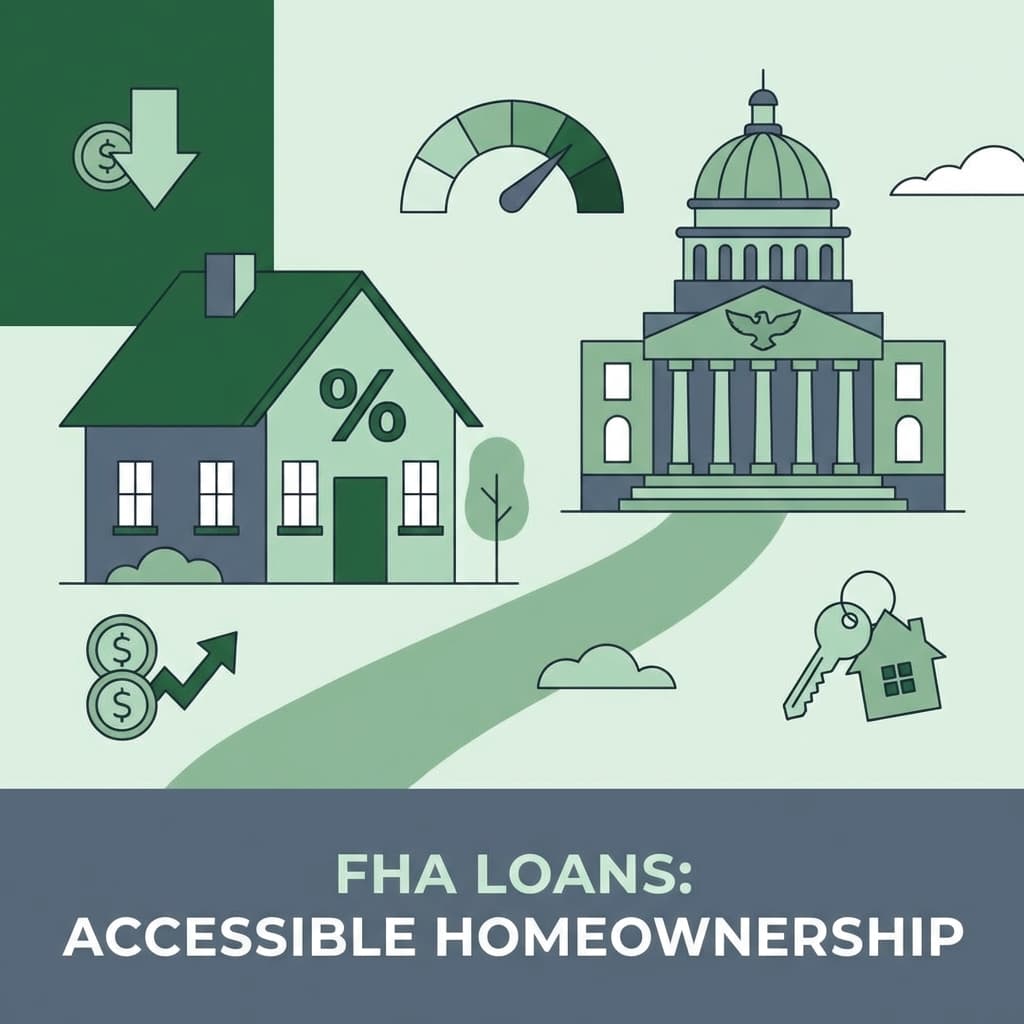
The choice between FHA and Conventional financing isn't just about your credit score—it's about your long-term financial strategy. FHA loans are often misunderstood as only for 'bad credit' borrowers, but they offer unique advantages for many buyers.
Free rate comparison — no credit impact
Could You Save on Your Mortgage?
The average borrower saves $2,400/year by comparing lender rates.
Credit Score Requirements
FHA loans allow credit scores as low as 580 with a 3.5% down payment. Conventional loans typically require a minimum of 620, but you'll need 740+ to get the best interest rates.
- FHA minimum: 580 (3.5% down)
- Conventional minimum: 620
- Optimal Conventional score: 740+
Mortgage Insurance Differences
This is the biggest differentiator. With FHA, you pay Mortgage Insurance Premium (MIP) for the life of the loan if you put down less than 10%. Conventional Private Mortgage Insurance (PMI) automatically cancels once you reach 20% equity.
Debt-to-Income (DTI) Ratios
FHA is more lenient with high DTI ratios, often allowing up to 57% in some cases. Conventional loans are stricter, usually capping at 45-50%.
Expert Perspective
"If you have a lower credit score or high debt, FHA is likely your best path. If you have strong credit and a larger down payment, Conventional will save you money on insurance."
Ready to see your
real savings?
Join 50,000+ homeowners who used US Loans to find their perfect mortgage match.
Check My Rates